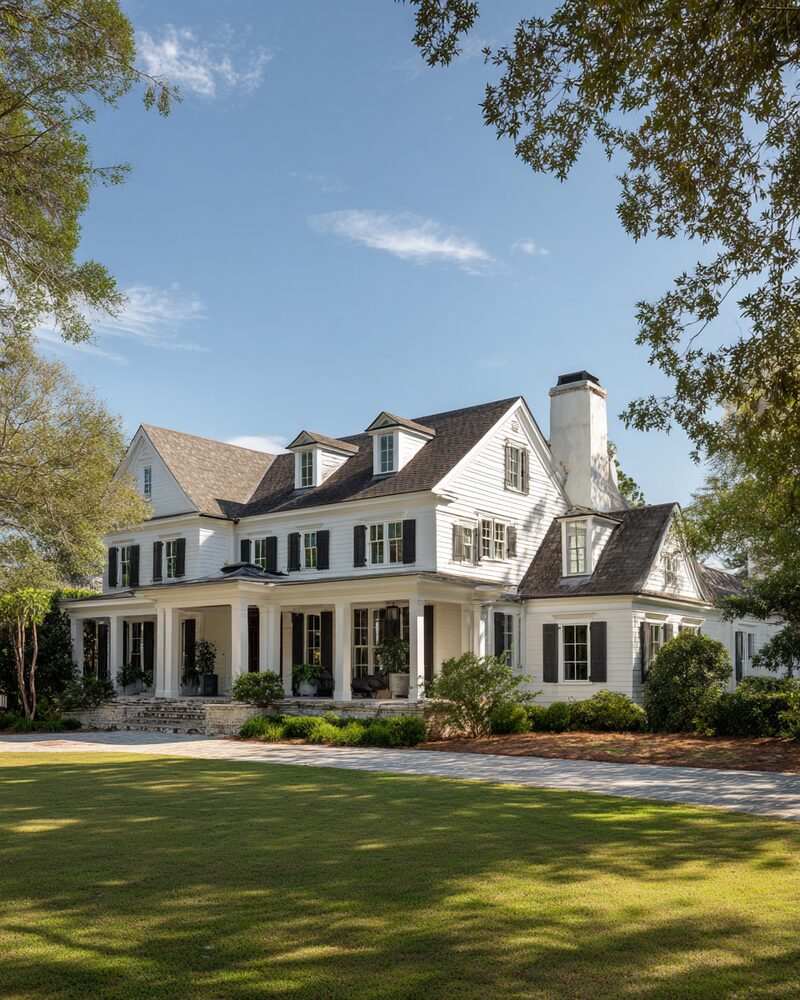
The Northeast Atlanta market blends suburban comfort with strong commuter links, quality schools and evolving neighborhood amenities. That mix creates winners and losers among listings. Whether you are buying or selling, understanding the specific factors that separate homes that underperform from homes that attract competitive offers will save time and money while improving long term value.
Start with the street level story. Buyers in Northeast Atlanta pay attention to curb appeal, sidewalk quality, street lighting and visible maintenance on neighboring properties because those cues predict ease of living and resale value. Sellers who invest in targeted exterior fixes often get faster showings and stronger offers. Buyers scanning listings should prioritize properties on well maintained streets even if the inside needs cosmetic updates.
Match house features to local buyer demand. Across Northeast Atlanta, demand varies between walkable urban edges and larger suburban lots. Some neighborhoods favor open concept kitchens and first floor owner suites, while others prize lot size, mature trees and finished basements. Successful sellers highlight the features buyers in that micro market care about, and successful buyers know which features will be most marketable if they sell later.
Price with precision. In balanced or shifting markets the first week a home is on the market is the most critical. Pricing a step above comparable recent sales can push buyers away; pricing too low risks leaving money on the table. Use comparable sales, current active inventory and recent days-on-market trends from your neighborhood to set a price that attracts qualified buyers quickly.
Small upgrades that matter. Cosmetic updates with high return on investment include fresh paint in neutral tones, updated lighting, decluttering and professional cleaning. Kitchens and baths pay off in many Northeast Atlanta neighborhoods, but not every home requires a full remodel. Focus on visible, high-impact improvements that align with comparable higher-priced homes in your area.
Leverage timing and seasonality. Spring remains a strong listing season in many Atlanta suburbs, but pockets of the Northeast market show steady activity year round. If you own a home near top-rated schools or a popular commute corridor, timing your listing for the school calendar and local job-hiring cycles can increase buyer interest. Buyers should also consider when they need to move for work or school and position offers accordingly.
Understand financing and appraisal realities. Higher interest rates and stricter underwriting can narrow the pool of qualified buyers, while appraisal gaps can derail deals. Sellers benefit from pre-list market valuations and being prepared to negotiate on appraisal shortfalls. Buyers should secure pre-approval and understand local appraisal norms so they can structure offers that stand up to lender scrutiny.
Show readiness for inspections and repairs. Homes that present well in a pre-inspection or disclose vetted repairs often close faster. For buyers, knowing typical maintenance costs for homes in your preferred neighborhoods (roof age, HVAC, septic vs municipal sewer, etc.) reduces surprises. A sensible home inspection plan protects both sides and speeds closing.
Be tactical with offers. In competitive pockets of Northeast Atlanta, clean offers with realistic contingencies and flexible closing dates win. For sellers, evaluating offers means looking beyond price at financing types, contingencies and the buyer's timeline. A slightly lower all-cash offer with a quick close can beat a higher contingency-laden proposal.
Think like an investor about long term value. Even if you plan to live in your home for many years, consider resale drivers: nearby school quality, planned transportation projects, zoning changes and neighborhood amenities. Buyers who pick neighborhoods with improving infrastructure
