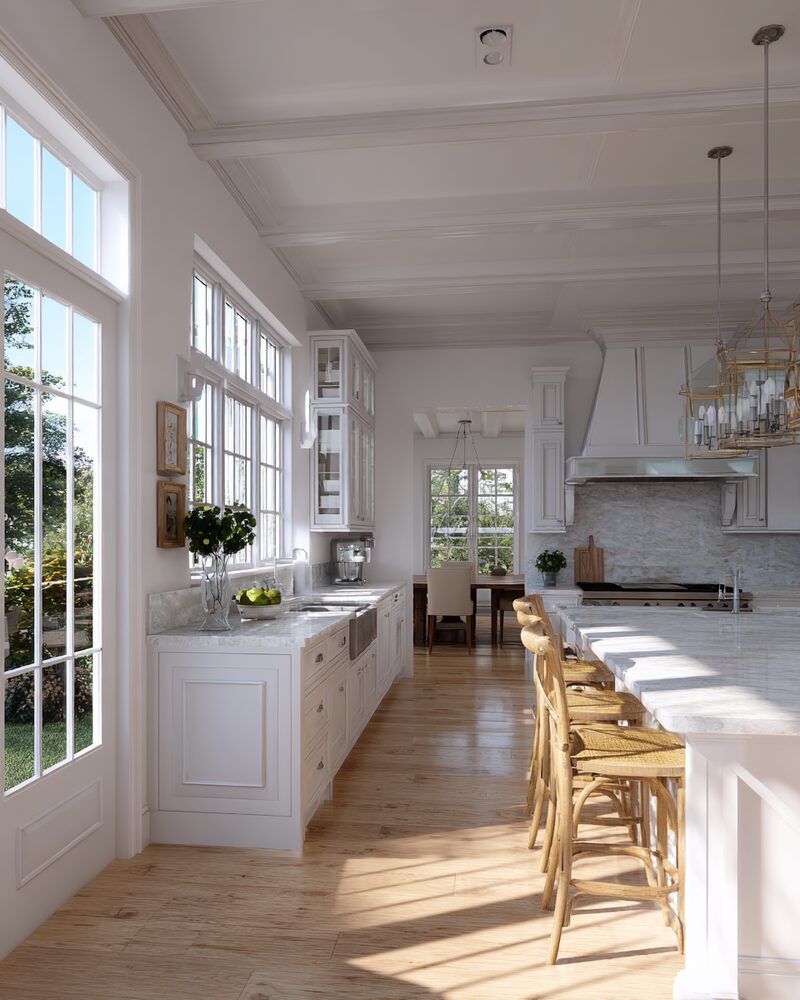
The way people work and move around Greater Atlanta has changed what buyers and sellers look for in Northeast Atlanta neighborhoods. Whether youre considering Johns Creek, Suwanee, Buford, Sugar Hill or nearby parts of Gwinnett and Forsyth counties, this guide explains durable trends and practical actions that help you make smart choices now and preserve value for years to come.
Start with how buyers use space. Remote work shifted demand toward reliable home offices, flexible floor plans and outdoor areas that double as work breaks. For sellers, highlighting a well lit office nook or adding a built in desk area can be a low cost, high impact update that appeals to both full time remote workers and hybrid commuters.
Commuting access still matters. Many buyers want one easy route to Atlanta combined with local walkable options for weekends. Proximity to major corridors, park and ride options, and new transit projects influence resale value. When evaluating a property, compare drive times during peak hours, traffic patterns for alternate routes and nearby transit expansions that are planned or funded.
Schools and community amenities remain long term anchors. Strong elementary and middle schools, active park systems, recreation centers and local dining scenes support price resilience. If youre buying for resale, prioritize homes inside desirable school zones or those within easy reach of growing mixed use centers that attract consistent buyer interest.
Inventory and days on market tell the short term story. Look at recent comparable sales, not just list price changes. For sellers, accurate pricing based on three to five recent comps prevents stale listings. For buyers, understanding how long similar homes are staying on market helps set competitive offer strategies without overpaying.
Interest rates and financing options affect affordability but do not erase the need for fundamentals. Buyers should get preapproved, compare mortgage products and consider long term plans like potential refinancing. Sellers should be prepared to provide clear property condition information, recent inspection reports and utility history to reduce friction in offers and negotiations.
Smart improvements deliver consistent returns. Focus on durable updates that buyers notice first: fresh paint, updated lighting, well maintained HVAC and efficient water systems. Kitchens and bathrooms matter, but cosmetic refreshes and clear maintenance records often move the needle faster than major remodels in this market.
Presentation is persistent value. Professional photos, virtual tours and floor plans broaden buyer reach, especially for relocating families and people moving from other parts of the metro area. For open houses, stage spaces to show multiple uses: home office, exercise corner, or kid friendly study area. Small staging investments frequently yield faster offers and higher sale prices.
Neighborhood signals to watch include new commercial development, infrastructure projects, and demographic shifts like incoming employers or school zoning changes. These signals can indicate where demand will remain strong. Buyers looking for long term appreciation should consider neighborhoods with steady investment in parks, roads and community services.
For sellers, timing and negotiation matter more than trying to chase the highest peak. Prepare early, price competitively and be ready to respond to offers with clear priorities in mind. For buyers, patience and local market knowledge win deals: know the typical contingencies sellers accept and how to structure escalation or inspection requests that get responses without scaring sellers away.
If you want a concise market snapshot
